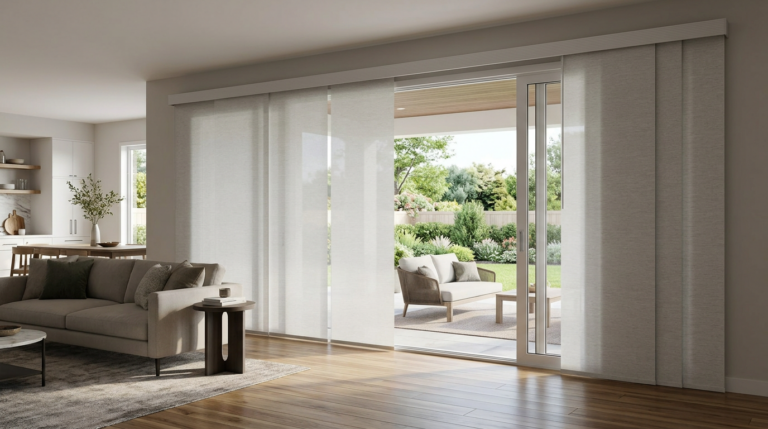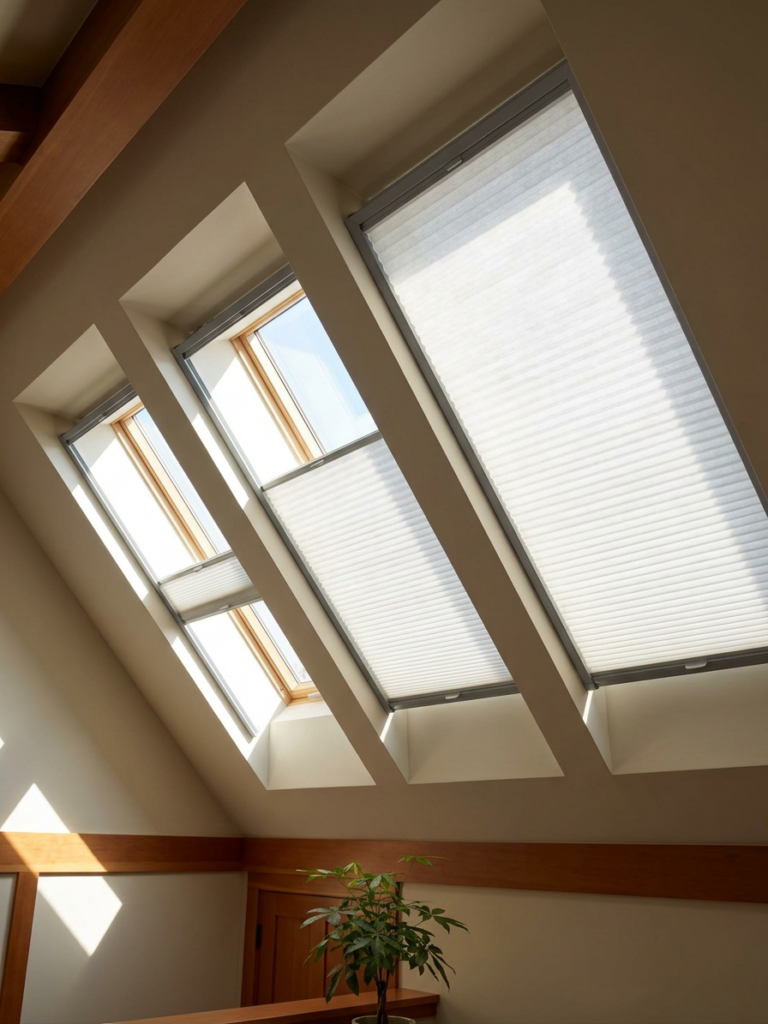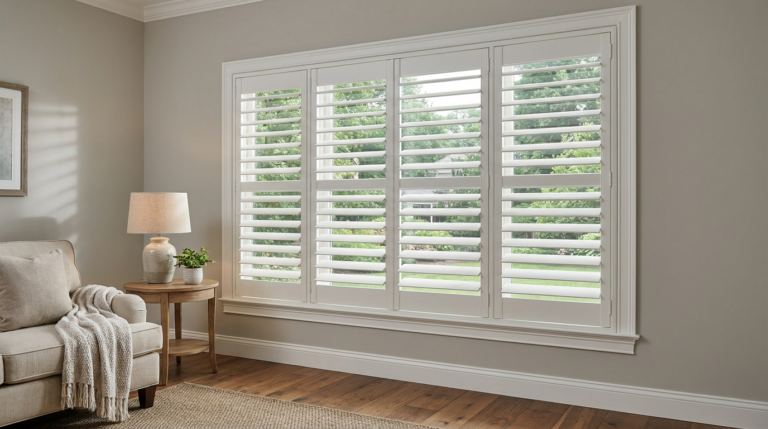

You can effortlessly enhance your home with motorized blinds automation by scheduling daily shade movements that block intense desert heat, protect your interiors from ultraviolet glare, and reduce air-conditioning demands. Integrating advanced systems like PowerView® Automation allows you to synchronize window treatments with your favorite smart home platforms or mobile apps for effortless, hands-free operation.
Overview
Automated window coverings can follow schedules that adjust daylight and help manage solar heat gain. Evaluating how to Enhance Your Home With Motorized Blinds Automation involves reviewing thermal performance, control protocols, and layout needs for high-heat environments. This guide also includes a labeled real-world hypothetical that illustrates product selection and layout decisions under stated room conditions before you reach the upgrade scenario.
The following sections outline specific hardware differences, network options, and seasonal adjustments to consider when planning your installation.
- Desert Solar Management: Specialized shading helps mitigate desert heat and glare across exposed glass exposures.
- Operation Comparisons: Modern motors offer measurable convenience when comparing motorized systems versus manual adjustments on deep or tall window frames.
- Platform Compatibility: Centralized control allows flexible smart home integration options with existing voice assistants and mobile hubs.
- Scheduled Efficiency: Routine timer routines support active energy management and scheduled shading during peak summer temperature spikes.
- Real-World Example: Review an illustrative project breakdown covering a living room motorization upgrade designed for southwest-facing windows.
- Layout Selection: Specific architectural dimensions dictate practical advice for choosing the best automation features across different living areas.
Intense desert sunlight and towering clerestory windows make manual light control a persistent headache for Phoenix Valley residents. Leaving sun-exposed windows uncovered can increase unwanted solar heat gain; UV-blocking shade fabrics can also help protect interior finishes. [PowerView® schedules](https://help.hunterdouglas.com/hc/en-us/articles/3938+1-602-687-7227-Operate-PowerView-Gen-3-with-the-App “fact-source”) can position compatible shades at set times, including shades installed on hard-to-reach windows.
Compatible motorized shades can follow schedules for daytime glare control and evening privacy; covering performance depends on the selected fabric and window.
You can effortlessly enhance your home with motorized blinds automation by scheduling daily shade movements that block intense desert heat, protect your interiors from ultraviolet glare, and reduce air-conditioning demands. Integrating advanced systems like PowerView® Automation allows you to synchronize window treatments with your favorite smart home platforms or mobile apps for effortless, hands-free operation.
Solving Desert Sun Exposure and Daily Glare in Valley Homes
Homes throughout the Phoenix metro area showcase expansive architecture with wide glass panes, yet managing sudden afternoon glare and high thermal gain can strain everyday routines. When windows sit two stories high or stretch across open-concept great rooms, operating cords or wands by hand quickly becomes impractical.
PowerView® Automation removes that daily friction by moving window treatments on precise, automated schedules aligned with the sun. Instead of repeatedly pausing household tasks to shield computer monitors or protect living room seating from harsh UV rays, homeowners can establish set routines that lower fabric during peak exposure hours. For angled architectural features like bay, bow, and corner windows, motorized controls synchronize multiple panes simultaneously so natural light stays balanced across the entire living area.
Daily comfort also relies on dependable neighborhood privacy without having to sacrifice exterior views for hours at a time. PowerView® schedules can [close compatible shades](https://help.hunterdouglas.com/hc/en-us/articles/3938+1-602-687-7227-Operate-PowerView-Gen-3-with-the-App “fact-source”) in the evening and reopen them in the morning for planned privacy.
Daily Light Control and Practical Tradeoffs of Window Motorization
PowerView® Automation eliminates the repetitive labor of operating window coverings across expansive floor plans. In desert communities across the Phoenix area, expansive glass invites intense morning brightness and harsh afternoon reflections. Walking room to room to pull cords or twist wands takes ongoing effort throughout the day. When treatments remain drawn to block harsh exposure, living spaces lose natural daylight. Uncovered windows can admit unwanted solar heat during direct sun.
Tall architectural openings and clerestory glass present physical barriers for manual cord loops and tension wands. Homeowners outfitting large windows frequently leave high shades untouched because reaching them requires step stools or awkward reaching over furniture. A PowerView® Gen 3 remote and [app schedules](https://help.hunterdouglas.com/hc/en-us/articles/3938+1-602-687-7227-Operate-PowerView-Gen-3-with-the-App “fact-source”) can move compatible hard-to-reach shades without handling the shade itself. PowerView® automated treatments have no free-hanging operating cords; schedule their position to suit your privacy needs.
Manual Versus Motorized Window Coverings
| Operational Factor | Manual Shades and Blinds | Motorized Systems |
|---|---|---|
| Daily Adjustment Effort | Requires physical handling of each individual window cord, wand, or bottom rail. | PowerView® Gen 3 can operate [individual shades or groups](https://help.hunterdouglas.com/hc/en-us/articles/3938+1-602-687-7227-Operate-PowerView-Gen-3-with-the-Remote “fact-source”) using its remote and app. |
| Hard-to-Reach Placement | Demands extension poles, ladders, or stepping around furniture to operate high glass. | A PowerView® Gen 3 remote can [operate a compatible shade](https://help.hunterdouglas.com/hc/en-us/articles/3938+1-602-687-7227-Operate-PowerView-Gen-3-with-the-Remote “fact-source”) without touching its headrail. |
| Consistent Glare Management | Depends on human intervention as solar angles move across east- and west-facing rooms. | Scheduled shade movements can provide glare control at times you choose. |
| Hardware Wear and Cord Clutter | Dangling cords or tilt wands hang across window frames and endure manual tugging. | PowerView® automated treatments avoid free-hanging operating cords. |
Selecting reliable operating systems allows households to tailor shading to their exact routines rather than reacting to glare after a room becomes uncomfortable. West-facing dining spaces and family rooms benefit when shades lower automatically right before peak exposure, while street-facing bedrooms can secure evening privacy on a reliable schedule.
Overcoming Daily Window Covering Frustrations in Arizona Homes
Managing standard corded or manual window treatments across a desert property often turns into an unrelenting chore. High afternoon sun creates harsh glare on screens, wide living room glass lets in unwanted warmth, and tall glass openings remain awkward to adjust by hand. Installing motorized blinds solves these daily friction points by giving homeowners instant, hands-free control over exposure and room seclusion.
This neglect compromises indoor shading when sun rays beat down hardest. When covering expansive openings, pairing automated controls with specialized large windows installations allows multiple coverings to reposition synchronously without physical tugging or tangled cords.
Busy households and residences close to neighboring properties also face fluctuating privacy needs from morning to evening. Automated shading eliminates the hassle of touring room to room multiple times a day to drop slats or adjust louvers. PowerView® schedules can [reposition compatible shades](https://help.hunterdouglas.com/hc/en-us/articles/3938+1-602-687-7227-Operate-PowerView-Gen-3-with-the-App “fact-source”) through the day to manage light and privacy.
Solving Sunlight and Access Challenges With Automated Window Coverings
Homes across the Phoenix area often incorporate tall glass expanses, clerestory openings, and open layouts that welcome intense desert light. While these architectural elements brighten interior living spaces, they introduce real obstacles when operated by hand. Daily manual adjustments across wide multi-panel windows or elevated openings quickly turn into an inconvenient chore. When adjustments become tedious, shades are often left sitting in a single spot all day, which leads to harsh room glare on screens, uncontrolled heat infiltration during peak afternoon hours, and compromised evening privacy.
Installing PowerView® Automation for motorized blinds removes the strain of manual cords or wands, allowing homeowners to manage several window coverings simultaneously through scheduled scenes or handheld controls. For complex spaces like second-story walls or bay bow corner windows, precision motorized hardware ensures reliable coverage without requiring step ladders or awkward reaching.
Automated window coverings eliminate the daily trade-off between natural light and personal privacy. Rather than walking from room to room tugging cords before midday sun peaks, homeowners can establish set times for treatments to lower, keeping interiors shielded during direct exposure and shifting open once the sun drops behind nearby rooflines. UV-blocking shade fabrics can help protect furnishings from sunlight, while compatible PowerView® treatments offer push-button control.
Solving Daily Window Covering Challenges in Phoenix Homes
Intense desert sunshine presents distinct obstacles across the Phoenix metropolitan area, particularly for residences built with tall ceilings, wide glass expanses, and open architectural layouts. When treatments sit static, morning sunshine causes sharp screen glare across media areas, midday solar heat builds up unchecked, and street-facing rooms lose their needed evening privacy.
Upgrading to living room window treatments equipped with motorized systems resolves these friction points by synchronizing your window adjustments to your daily routine. Rather than climbing behind furniture or reaching overhead to manipulate high glass, an automated setup reposition shades simultaneously throughout the house or according to predetermined schedules.
For expansive glazing like sliding doors or two-story walls, large window coverings with automated controls ensure that daylight management happens without physical strain. Scheduled shades can help manage privacy and glare in rooms where the selected fabric provides adequate coverage.
Daily Window Challenges Solved by Automated Systems
Hunter Douglas blinds and shades often require repetitive physical attention across sprawling floor plans, leaving wide glass spans uncovered during peak afternoon heat. Operating manual cords or wands across multiple living areas turns simple daylight management into an ongoing chore. In sunny regions like Phoenix, intense daylight shifts quickly, causing sharp screen glare and uneven room warmth when window coverings stay parked in a single spot all morning.
Lofty clerestory openings and expansive glass walls create real operational hurdles, particularly for active households or residents with limited mobility. When shades prove difficult to reach by hand, they tend to remain stationary, sacrificing both street-level privacy and interior comfort.
Shading a home office with motorized automation removes the friction of physical adjustments while defending work spaces against blinding exterior reflections. PowerView® Gen 3 can [group compatible shades](https://help.hunterdouglas.com/hc/en-us/articles/3938+1-602-687-7227-Operate-PowerView-Gen-3-with-the-Remote “fact-source”) for convenient room-wide control; fabric choice determines glare reduction and how much of the view remains visible.
Research & Fact-Checking
This article has undergone a factual review covering product specifications, manufacturer information, installation considerations, and technical claims relating to enhance your home with motorized blinds automation.
Product-specific statements and technical claims are evaluated against available supporting documentation. Where evidence requires qualification, wording is adjusted to reflect the available information.
Written by Superior Blinds. Technical claims in this article were checked against the manufacturer guides and government pages linked here. Research reviewed: November 2026.
Primary sources linked in this article:
- energy.gov/sites/default/files/2024-09/femp-key-geb-technologie…
- hunterdouglas.com/stories/buyers-guides/uv-blocking-window-trea…
- energy.gov/cmei/femp/purchasing-energy-efficient-residential-wi…
- hunterdouglas.com/child-safety
FAQ
To help you effectively enhance your home with motorized blinds automation, we have compiled key answers below covering power choices, desert climate materials, and energy savings. Review the following guide to better understand how automated shades perform against heat and everyday household demands.
| Question | Answer |
|---|---|
| How do rechargeable battery motors compare to hardwired motors for Litchfield Park homes? | PowerView® Gen 3 offers [rechargeable battery-wand and hardwired power options](https://help.hunterdouglas.com/hc/en-us/articles/3942+1-602-687-7227-Set-Up-PowerView-Gen-3 “fact-source”). A rechargeable wand may mount at the headrail or elsewhere, so confirm the shade’s mounting and power requirements before choosing between battery and wired installation. |
| Which automated shade materials block intense desert heat without eliminating your patio view? | Solar shades can reduce glare while retaining some outdoor visibility. A tighter weave generally blocks more sun but also reduces the view; compare actual fabrics rather than assuming a particular openness percentage will deliver the same result in every room. |
| What happens to programmed window schedules during a local Wi-Fi or power outage? | For PowerView® Gen 3, [shade schedules are stored in the shades](https://help.hunterdouglas.com/hc/en-us/articles/394+1-602-687-7227-Troubleshoot-PowerView-Gen-3 “fact-source”), but a shade that loses power may need its clock updated before schedules resume. Battery-powered and hardwired installations respond differently during a grid outage; check the controls and power source in your specific setup. |
| Can automated window coverings help lower summer cooling bills in Litchfield Park, Arizona? | Closing suitable window coverings during direct summer sun can reduce unwanted solar heat gain and may help lower cooling demand. The effect in a Litchfield Park home depends on its windows, shade materials, orientation, and operating schedule; fewer air-conditioning cycles are not guaranteed. |