
Versatile Light Control with Top-Down Shades
Mastering light control in your home is essential for creating comfortable and functional living spaces, and top-down bottom-up shades offer a uniquely versatile solution. These innovative window treatments allow you to open the shade from the top while keeping the bottom closed, providing flexibility that standard shades cannot match. Explore how these shades can transform your home’s ambiance and privacy.
The primary advantage of top-down bottom-up shades lies in their dual functionality, enabling you to manage light and privacy simultaneously. This adaptability makes them ideal for various rooms, from busy living areas to more private spaces like bedrooms and bathrooms. Unlike conventional blinds that only open from the bottom, this design opens new possibilities for natural light management, and you can learn more about options like rolling shutters in Buckeye compared to traditional blinds.
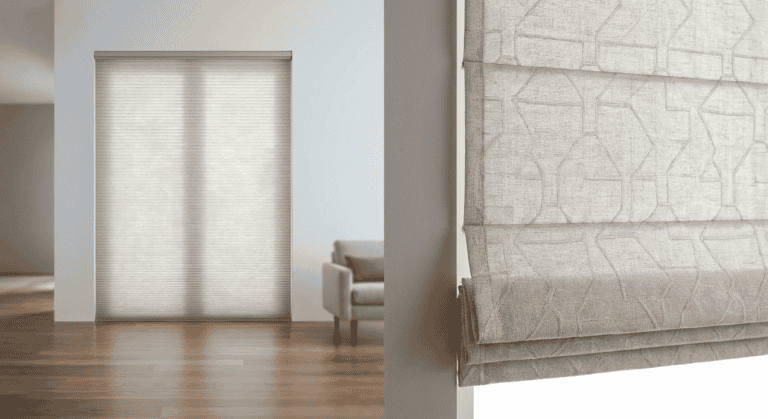
For homeowners seeking adaptable window solutions, exploring different shade types can be beneficial. While top-down bottom-up functionality is a key feature, understanding the nuances of materials like cellular shades, Roman shades, and pleated shades is also important. Discovering custom blinds that incorporate this feature ensures a perfect fit and style for your home.
What Are Top-Down Bottom-Up Shades?
Top-down bottom-up shades are window treatments designed with a unique operating system that allows them to be opened from both the top and the bottom. This means you can lower the top portion of the shade to let in light while simultaneously keeping the bottom portion raised for privacy, or vice versa. This offers unparalleled control over how light enters your room and who can see in.
Understanding the fundamental mechanics of window treatments is key to making informed decisions for your home. While standard shades typically operate only from the bottom, the top-down bottom-up mechanism provides a significant upgrade in functionality and adaptability. This allows for nuanced light and privacy management that caters to specific daily needs.
To better illustrate the unique capabilities of these shades, consider the following comparison with standard window treatments. This table highlights the distinct advantages and operational differences that make top-down bottom-up shades a superior choice for many homeowners seeking enhanced control and comfort. For a broader understanding of window treatment options, you can explore our comprehensive guide on top-down bottom-up shade functionality for more.
| Feature | Top-Down Bottom-Up Shades | Standard Shades |
|---|---|---|
| Functionality | Opens from top and bottom independently | Opens only from the bottom |
| Light Control | Highly flexible; allows light from top while maintaining privacy | Limited; light entry is typically from the bottom |
| Privacy | Excellent; can block view while allowing light | Good, but can be compromised when light is needed |
| Versatility | Ideal for various rooms and light needs | Standard functionality for most rooms |
For those looking to customize their window treatments, our collection offers a wide range of styles and options. You can discover more about the possibilities within our shade collection or explore the benefits of custom shades tailored to your specific needs.
Advantages of Top-Down Bottom-Up Shades
Top-down bottom-up shades offer a multitude of benefits that significantly enhance the comfort, functionality, and aesthetic appeal of any home. Their unique design provides homeowners with unparalleled control over light and privacy, transforming how natural light interacts with interior spaces. For example, you can learn more about the specific benefits of top down bottom up shades, and how to integrate them with smart home technology by connecting smart shades to smartphones.
Enhanced Privacy Control
One of the most significant advantages of top-down bottom-up shades is their ability to provide superior privacy without sacrificing natural light. This is particularly beneficial for rooms that face busy streets or have close neighbors. You can lower the top portion of the shade to allow sunlight to flood the room while simultaneously keeping the bottom section closed, shielding your interior from prying eyes.
This dual-action capability ensures that your privacy is maintained even when you want to enjoy the natural brightness of the day. It’s an elegant solution for bathrooms, bedrooms, and living areas where a balance between openness and seclusion is desired. The flexibility extends to allowing light to enter from the upper part of the window, illuminating the room without compromising your personal space. For a comparison of different material options, consider reading about real wood vs composite blinds for more.
The key benefits of this enhanced privacy control include:
- Maintaining privacy in street-facing rooms.
- Allowing natural light entry from the top of the window.
- Providing a comfortable ambiance in bedrooms and bathrooms.
- Preventing direct glare while still illuminating the space.
- Offering a stylish alternative to traditional window coverings.
Optimized Natural Light
The ability to control light from both the top and bottom of the window allows for exceptional optimization of natural daylight. Instead of harsh, direct sunlight, you can position the shade to filter light gently into the room, reducing glare on screens and surfaces. This creates a more comfortable and inviting atmosphere throughout the day.
By opening the top of the shade, you can direct natural light deeper into the room, illuminating workspaces and reading nooks without creating uncomfortable hotspots. This method of light management can also reduce the need for artificial lighting during daylight hours, contributing to a more pleasant and energy-conscious environment. For those in the desert climate, consider our guide to durable Arizona blinds to ensure longevity.
Improved Energy Efficiency
Top-down bottom-up shades contribute to improved energy efficiency by offering better control over solar heat gain. During hot summer months, you can strategically lower the top of the shade to block direct sunlight from entering, which helps keep your home cooler and reduces the load on your air conditioning system. Conversely, during colder months, you can open the top to allow passive solar heating, reducing reliance on your heating system.
The versatility in light and heat management provided by these shades can lead to noticeable savings on energy bills. Furthermore, many top-down bottom-up shades are made from materials with insulating properties, adding another layer of thermal performance. For homeowners seeking to enhance their home’s thermal performance, exploring Duette® cellular shades for energy efficiency is a wise choice.
Types of Top-Down Bottom-Up Shades
The versatility of the top-down bottom-up mechanism is available across a variety of popular shade styles, allowing homeowners to choose the perfect combination of functionality and aesthetic for their interior design. Each type offers unique characteristics in terms of material, insulation, and light filtering capabilities, such as the soft texture found in fabric vertical blinds for a gentler ambiance.
Cellular Shades
Cellular shades, also known as honeycomb shades, are renowned for their excellent insulating properties due to their unique cell-like structure. When equipped with the top-down bottom-up feature, they become an incredibly versatile option for managing both light and energy efficiency. The air trapped within the honeycomb cells provides a significant barrier against heat transfer, keeping rooms cooler in summer and warmer in winter.
The top-down bottom-up operation on cellular shades allows you to customize light entry precisely. You can open the top to let in daylight while the bottom remains closed for privacy, or adjust the shade to create a soft, diffused light throughout the room. This makes them ideal for bedrooms, living rooms, and even kitchens where both light and privacy are important considerations.
Cellular shades with top-down bottom-up functionality are available in various styles and materials:
- Light Filtering: These shades allow a significant amount of natural light to pass through while obscuring the view from the outside, providing daytime privacy.
- Blackout: Designed to block virtually all light, creating a dark environment ideal for bedrooms or media rooms.
- Top-Down Only: While not the standard top-down bottom-up, some cellular shades offer just the top-down feature for specific privacy needs.
- Cordless or Motorized Options: For enhanced safety and convenience, cellular shades can often be found with cordless controls or motorized systems, especially useful for hard-to-reach windows.
To explore options that fit your home’s aesthetic and functional needs, consider top-down bottom-up shades that incorporate this flexible operating system, or investigate smart control options for motorized window treatments.
Roman Shades
Roman shades offer a softer, more elegant aesthetic compared to cellular or pleated shades. They fold up neatly into pleats when raised, creating a sophisticated drapery-like appearance. When equipped with the top-down bottom-up feature, Roman shades provide the same light and privacy control benefits in a more decorative package.
This combination is perfect for living rooms, dining rooms, and master bedrooms where style is a primary consideration. The top-down operation allows you to let in natural light from above, illuminating the space while maintaining a sense of privacy. This feature adds a layer of functional elegance, making them a popular choice for designer interiors. Discover more about the decorative possibilities with top-down bottom-up shades, or learn what makes Duette® cellular shades a great option.
Pleated Shades
Pleated shades, similar to cellular shades, feature a crisp, folded appearance but typically lack the insulating air pockets. However, when outfitted with the top-down bottom-up mechanism, they offer excellent light control and privacy. Their clean lines and structured look make them a versatile choice for modern and transitional interiors.
The top-down bottom-up functionality allows for precise adjustment of light entering the room, preventing glare and enhancing comfort. They are a practical yet stylish option for various windows, providing a neat appearance when lowered and a tidy stack when raised. You can find a wide array of options for pleated shades that feature this adaptable control.
For those seeking personalized window solutions, explore the range of smart shade motorization options that can be tailored with the top-down bottom-up feature.
Operating Top-Down Bottom-Up Shades
Operating top-down bottom-up shades is intuitive and straightforward, designed to give you maximum control over your window environment. Understanding the mechanism and employing a few simple techniques can ensure smooth and effective use, enhancing both the longevity of your shades and your daily comfort. For motorized options, consider the differences between rechargeable battery wands and solar chargers for sustainable power solutions.
Understanding the Control Mechanism
The core of the top-down bottom-up shade’s operation lies in its dual-lifting system. Typically, there are separate cords or wands that control the movement of the top and bottom rails independently. One set of controls allows you to lower the top section of the shade, while another set allows you to raise or lower the bottom section. For more advanced options, consider exploring PowerView® Automation for effortless control.
The design ensures that the top and bottom sections can move freely without interfering with each other. This independent operation is what grants the unparalleled flexibility in light and privacy management. Many modern versions also incorporate cordless or motorized options for even greater ease of use. For a deeper dive into how they function, consult our guide on how do top-down bottom-up shades work for more.
Tips for Smooth Operation
To ensure your top-down bottom-up shades operate smoothly and efficiently for years to come, follow these simple tips:
- Operate Slowly and Gently: Avoid yanking or forcing the cords. Move them smoothly and deliberately to allow the mechanism to engage properly.
- Keep Cords Untangled: Regularly check that the lift cords are not twisted or tangled, as this can impede movement and cause wear.
- Ensure Level Adjustment: When lowering or raising the shade, pay attention to keeping both sides level to prevent the shade from skewing.
- Regular Cleaning: Keep the tracks and mechanisms clean of dust and debris, which can interfere with smooth operation.
- Consider Motorization: For hard-to-reach windows or for ultimate convenience, explore smart control motorized window treatments and motorized options, comparing PowerView and SoftTouch systems for your home.
By following these guidelines, you can maintain the optimal performance of your custom blinds and enjoy their benefits without hassle.
Choosing the Right Shades for Your Home
Selecting the appropriate top-down bottom-up shades involves considering various factors, from the room’s purpose to personal style preferences. A thoughtful approach ensures you choose window treatments that not only function effectively but also enhance your home’s overall aesthetic and comfort. For those interested in modern convenience, our guide to connecting smart shades with voice assistants can help you integrate your new window coverings with your smart home ecosystem.
Considering Room Functionality
The primary purpose of a room should heavily influence your choice of shades. For high-traffic areas like living rooms, shades that offer a balance of light and privacy are ideal. In bathrooms and bedrooms, where privacy is paramount, the ability to block the view from the outside while still allowing natural light is a significant advantage. For kitchens, ease of cleaning and durability might be key considerations, alongside the flexibility of light control, and for these spaces, exploring bathroom specific options can be beneficial.
Think about how you use each space throughout the day. Do you need to block harsh afternoon sun? Do you want to let in morning light without compromising your privacy? Top-down bottom-up shades excel at meeting these diverse needs, offering a level of customization that standard shades cannot match. Explore custom top-down bottom-up blinds to find solutions tailored to your specific room requirements.
Material and Light Filtering Options
The material of your shades plays a crucial role in how they filter light and provide insulation. Options range from sheer fabrics that offer a soft, diffused light to blackout materials that completely block out light. Understanding these differences is essential for achieving the desired ambiance and functionality in each room.
Consider the level of light control you need. Light-filtering shades allow natural light to enter while maintaining privacy, creating a warm and inviting atmosphere. Blackout shades are perfect for bedrooms or media rooms where darkness is essential. The type of material also affects the shade’s insulating properties, contributing to energy efficiency. For guidance on selecting the best options, consider our resources on choosing window treatments. You can also check out our current special offers to see if any apply to your purchase.
Measuring for the Perfect Fit
Accurate measurements are critical for ensuring your top-down bottom-up shades fit perfectly and operate smoothly. Whether you are installing inside or outside the window frame, precise dimensions will guarantee optimal performance and a polished look. Follow these steps carefully:
- Determine Mount Type: Decide whether your shades will be mounted inside the window frame (for a clean, built-in look) or outside the frame (to cover more of the window opening or an irregularly shaped window).
- Measure Inside Mount Width: If mounting inside, measure the exact width of the window opening at the top, middle, and bottom. Use the narrowest measurement.
- Measure Inside Mount Height: Measure the exact height of the window opening from the top inside sill to the bottom inside sill.
- Measure Outside Mount Width: If mounting outside, measure the desired width, ensuring it overlaps the window opening sufficiently on all sides to block light.
- Measure Outside Mount Height: Measure the desired height, ensuring it covers the window opening completely and reaches your desired endpoint.
Proper measurement is a cornerstone of achieving the best results with your window treatments. Consult our guide on top-down bottom-up shades for detailed instructions and tips, and check our service area for availability.
Top-Down Bottom-Up vs. Standard Shades
The distinction between top-down bottom-up shades and standard shades lies fundamentally in their operational flexibility and the resulting control over light and privacy. While both serve the purpose of covering windows, the top-down bottom-up design offers a significantly more nuanced and adaptable approach to managing your home’s environment.
Standard shades typically operate with a single mechanism, allowing them to be raised or lowered from the bottom. This provides basic light control and privacy but lacks the finer adjustments that many homeowners desire. In contrast, top-down bottom-up shades feature a dual-lifting system, enabling independent movement of both the top and bottom sections of the shade.
This core difference leads to a range of practical advantages, as highlighted in the comparison table below. For those seeking enhanced functionality, exploring options like top-down bottom-up shades or understanding the benefits of SoftTouch Motorization can also be informative, though the combined top-down bottom-up offers the most versatility.
Choosing the right type of shade is essential for optimizing your home’s comfort and style. Whether you opt for the advanced functionality of top-down bottom-up shades or the simplicity of standard options, our range of custom shades can meet your needs.
Styling Your Space with Top-Down Shades
Top-down bottom-up shades offer a unique way to manage light and privacy simultaneously. This innovative design allows you to lower the shade from the top while keeping the bottom section raised, providing a clear view outside while still obscuring the lower portion of your window. This makes them particularly useful for rooms where you want to maintain a sense of openness and natural light without sacrificing privacy, such as in a bathroom or a street-facing living area.
Integrating top-down bottom-up shades into your interior design is a fantastic way to enhance both the aesthetics and functionality of your living spaces. These shades offer a sophisticated and practical solution that complements a wide range of decor styles, allowing for creative expression in how you manage light and privacy. For those considering a significant home update, exploring options like Wells Fargo financing can make these beautiful window treatments more accessible.
Complementing Interior Design
The versatility of top-down bottom-up shades makes them a seamless addition to almost any interior design scheme. Whether your style is modern, traditional, minimalist, or eclectic, these shades can be chosen in materials and colors that harmonize with your existing decor. Their clean lines and customizable operation prevent them from overpowering a room, instead serving as a refined element that enhances the overall look and feel.
The ability to control light from the top allows for dynamic lighting effects, softening the ambiance and highlighting architectural features or artwork. This adaptability makes them an excellent choice for creating specific moods, from bright and airy during the day to cozy and intimate in the evening. Explore how top-down bottom-up window treatments can elevate your home’s interior design, much like specialized patio shades can enhance outdoor living spaces.
Color and Texture Choices
The aesthetic appeal of top-down bottom-up shades is greatly influenced by the available color and texture options. Choosing the right combination can add depth, warmth, and personality to your rooms. From subtle neutrals to bold statement colors, the possibilities are vast, allowing you to perfectly match your window treatments to your design palette.
Consider how different textures can impact the feel of a room. Smooth, sleek fabrics can lend a contemporary edge, while textured materials like linen or woven woods can add warmth and a natural touch. The interplay of light and shadow created by the shade’s material further contributes to the room’s atmosphere. Some popular color palettes that work well include:
- Earth Tones: Warm beiges, soft browns, and muted greens create a grounding and tranquil effect.
- Cool Neutrals: Grays, whites, and soft blues offer a clean, modern, and calming aesthetic.
- Vibrant Accents: Bold blues, deep reds, or sunny yellows can be used strategically to add pops of color and energy.
- Monochromatic Schemes: Varying shades of a single color can create a sophisticated and cohesive look.
Our fabric vertical blinds can help you find the perfect color and texture to bring your vision to life.
Integrating with Smart Home Systems
For the modern homeowner, integrating top-down bottom-up shades with smart home systems offers unparalleled convenience and advanced control. Many shades can be motorized, allowing them to be operated remotely via a smartphone app, voice commands, or automated schedules.
This integration not only simplifies daily routines but also enhances security and energy efficiency. Imagine scheduling your shades to open automatically at sunrise to welcome the day or close them at dusk for privacy and security. Voice control adds another layer of ease, allowing you to adjust your window treatments without lifting a finger. Explore the possibilities of connecting smart shades with voice assistants and how it can enhance the functionality of your window treatments.
Maintaining Your Top-Down Bottom-Up Shades
Proper care and maintenance are essential for ensuring the longevity and optimal performance of your top-down bottom-up shades. Regular cleaning and addressing any minor issues promptly will keep them looking their best and functioning smoothly for years to come. For information on powering smart home devices, consider exploring options like solar chargers to complement your window treatments.
Routine Cleaning
Keeping your top-down bottom-up shades clean is straightforward and can be done with minimal effort. The method of cleaning will depend on the material of your shades, but generally, gentle dusting and occasional spot cleaning are effective. Following the correct procedures will help preserve the fabric and mechanism.
For most materials, a soft brush attachment on your vacuum cleaner or a microfiber duster is sufficient for daily or weekly dusting. For more thorough cleaning or to address spots, refer to the specific care instructions for your shade material. Here are the general steps for routine cleaning, and you can learn more about the different types of top down bottom up shades and their maintenance.
- Dusting: Gently dust the shades from top to bottom using a soft cloth, microfiber duster, or the brush attachment of your vacuum cleaner.
- Spot Cleaning: For minor stains, use a mild soap solution mixed with water and a clean, damp cloth. Blot the stained area gently; avoid rubbing vigorously.
- Vacuuming: Periodically use your vacuum cleaner on a low setting with the upholstery attachment to remove accumulated dust and debris.
- Deep Cleaning (Material Specific): For certain materials like Roman shades, professional dry cleaning might be recommended. Always check manufacturer guidelines.
- Check Mechanisms: Ensure cords and control wands are free of dust and debris to maintain smooth operation.
Consistent care, as outlined in our window treatment care guide, will ensure your shades remain in excellent condition. For precise fitting, consider our custom window measures service.
Troubleshooting Common Issues
While top-down bottom-up shades are generally reliable, occasional minor issues might arise. Most common problems, such as a slightly uneven hang or a sticky cord, can be easily resolved with simple adjustments. For example, if you are experiencing issues with your smart shades, our guide on connecting smart shades with voice assistants may offer solutions.
If a shade seems to be hanging unevenly, check that both sides are being lowered or raised at the same pace. Sometimes, a gentle pull on the side that is higher can help re-level it. For cord-related issues, ensure they are not tangled and that the pull mechanism is functioning freely. If you encounter persistent problems or are unsure how to proceed, consulting a professional can save time and prevent potential damage. Explore our top-down bottom-up shades for further assistance with our installation and repair services.
Transform Your Home with Flexible Light
Embracing top-down bottom-up shades means unlocking a new level of control and sophistication in your home’s interior design. These innovative window treatments offer unparalleled flexibility in managing natural light and maintaining privacy, transforming ordinary rooms into dynamic, comfortable, and stylish living spaces.
From optimizing daylight to enhancing seclusion, the benefits are manifold. The ability to adjust light from both the top and bottom of the window provides a unique advantage, allowing you to create the perfect ambiance for any activity or time of day. This versatility, combined with a wide array of available styles and materials, ensures that top-down bottom-up shades can seamlessly integrate into any home’s aesthetic.
We encourage you to explore the possibilities and discover how these exceptional window treatments can elevate your home. Whether you’re seeking enhanced privacy, improved energy efficiency, or simply a more refined way to control light, our collection offers solutions tailored to your needs. Browse our our product catalog or contact us today to learn more about transforming your windows with custom shades. For specific local options, consider exploring our Buckeye window treatments for more.
Frequently Asked Questions
Discover answers to common questions about top-down bottom-up shades, providing clarity on their functionality, benefits, and optimal use in your home. Our goal is to help you make the most informed decision for your window treatment needs.
| Question | Answer |
|---|---|
| What is the main advantage of top-down bottom-up shades? | The main advantage is the ability to control light and privacy independently from both the top and bottom of the shade, offering unparalleled flexibility. |
| Can top-down bottom-up shades be used in any room? | Yes, they are highly versatile and suitable for any room, including bathrooms, bedrooms, living areas, and kitchens, where adjustable light and privacy are desired. |
| Are top-down bottom-up shades energy efficient? | Yes, they can contribute to energy efficiency by helping to manage solar heat gain and loss, keeping rooms cooler in summer and warmer in winter. |
| How do I operate top-down bottom-up shades? | Operation typically involves separate cords or wands for the top and bottom rails, allowing independent movement. Many also come in cordless or motorized options. |
| Are there different styles available for top-down bottom-up shades? | Yes, this operating mechanism is available in popular styles such as cellular shades, Roman shades, and pleated shades, allowing you to match your decor. |