
Answer
Cellular shades generally offer better insulation and energy efficiency due to their unique honeycomb structure, while Roman shades prioritize classic style and light control with their fabric folds. When selecting between Cellular vs Roman shades, homeowners often weigh the practical benefits of energy savings against the aesthetic appeal and diverse fabric options. Superior Blinds often recommends cellular shades for west-facing windows in Litchfield Park, Arizona, where heat gain is a significant concern, to help manage indoor temperatures.
Overview
This guide compares different window treatment options to help homeowners select the best fit for their living spaces. It details the specific characteristics, benefits, and considerations for various shade types. The article also provides a real-world example to illustrate how these choices apply in a home setting.
The following sections break down key aspects of each shade type:
- Key Differences: Discover the primary distinctions between popular window coverings.
- Energy Efficiency: See how certain shade designs perform in insulation and temperature control.
- Light Control: Explore various options for managing light and ensuring privacy.
- Durability and Maintenance: Learn about the care requirements and longevity of different window treatments.
- Home Style: Match window coverings to your interior design preferences.
- Choosing Superior Blinds: Review how to select a provider for your window treatment needs.
Cellular Shades vs Roman Shades: Key Differences
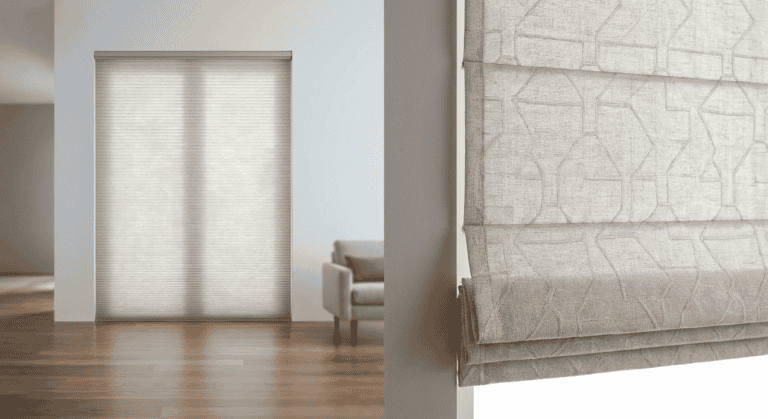
Honeycomb cellular shades feature a unique pleated design with air pockets, creating an insulating barrier at the window. This construction helps maintain indoor temperatures more effectively than flat fabric options. Roman shades, by contrast, consist of fabric panels that fold neatly when raised, offering a classic draped appearance.
The core differences between Cellular vs Roman shades extend to their operation, light management, and cleaning. Superior Blinds often recommends evaluating these distinctions based on specific room needs, like whether energy efficiency is a higher priority than decorative styling.
| Feature | Cellular Shades | Roman Shades |
|---|---|---|
| Construction | Honeycomb cells trap air for insulation. | Flat fabric panels that fold when raised. |
| Appearance | Clean, modern, pleated look. | Soft, elegant, and decorative fabric folds. |
| Light Control | Ranges from sheer to blackout; often includes top Down Bottom up options. | Typically offers room darkening or light filtering, depending on fabric. |
| Insulation | Excellent thermal properties due to air pockets. | Minimal insulation, primarily decorative. |
| Maintenance | Dusting, occasional spot cleaning. | May require more specific cleaning methods depending on fabric type. |
| Durability | Generally long-lasting; pleats resist sagging. | Fabric can show wear and tear, especially in high-traffic areas. |
Energy Efficiency: Cellular Shades Outperform
Cellular shades provide superior insulation for windows, directly impacting a home’s internal temperature regulation. Their unique honeycomb design traps air, creating a thermal barrier that reduces heat transfer. This makes them highly effective in minimizing energy loss, which can translate into lower heating and cooling costs over time.
Roman shades, while offering aesthetic appeal, generally lack these insulating properties as they are typically made from a single layer of fabric. For homeowners prioritizing energy savings, particularly in climates with significant temperature fluctuations, cellular shades offer a practical advantage. We often recommend multi-cell cellular shades for larger windows facing direct sunlight to maximize their insulating benefits.
Investing in energy-efficient window treatments can contribute to a more comfortable indoor environment year-round. This is especially noticeable during peak seasons when air conditioning or heating systems work harder. Consider the specific energy performance benefits when choosing between Cellular vs Roman shades for your home.
| Energy Efficiency Feature | Benefit for Homeowners |
|---|---|
| Honeycomb Air Pockets | Reduces heat gain in summer, keeps heat inside during winter. |
| Thermal Barrier Creation | Maintains consistent indoor temperatures, lessening reliance on HVAC systems. |
| Reduced UV Exposure | Protects furnishings from sun damage and helps keep rooms cooler. |
| Lower Utility Bills | Potential for decreased energy consumption and associated costs. |
| LightLock Integration | Enhances insulation and room darkening for maximum energy savings with systems like LightLock. |
Light Control and Privacy Options Compared
Light control and privacy levels vary significantly between cellular and Roman shades, impacting room ambiance and personal comfort. Cellular shades offer various opacities, from sheer to blackout, allowing for precise light adjustment. Roman shades, typically made from single fabric panels, provide a softer, diffused light when lowered, or full light when raised.
Different lifting systems further influence light management. For example, Duolite shades combine two fabric panels, offering both sheer and room-darkening options within one shade. Similarly, top down bottom up systems allow homeowners to lower shades from the top or raise them from the bottom, creating privacy while still permitting natural light into the upper portion of a room.
Superior Blinds often recommends evaluating how much direct sunlight a room receives throughout the day. For spaces requiring adaptable privacy and light, such as bedrooms or bathrooms, cellular vs Roman shades each offer distinct benefits based on specific needs. When privacy is the main concern, a blackout cellular shade or a Roman shade with a privacy liner may be suitable.
| Shade Type | Light Control Capabilities | Privacy Features |
|---|---|---|
| Cellular Shades | Adjustable from sheer to blackout; precise light filtering. | High, especially with opaque or blackout fabrics. |
| Roman Shades | Soft, diffused light when lowered; full light when raised. | Good with standard fabrics; enhanced with privacy or blackout liners. |
Durability and Maintenance Considerations
The lifespan of window coverings depends significantly on their material, construction, and proper care. Cellular shades, typically made from spun-lace or non-woven polyester, resist dust and maintain their pleats well. Roman shades, often crafted from woven fabrics, require more attentive care to preserve their appearance.
For longevity, we often recommend considering the room’s function and potential exposure to moisture or high traffic. For instance, in humid bathrooms or kitchens, selecting moisture-resistant fabrics or materials helps prevent mold and mildew. Superior Blinds observes that regular, gentle cleaning extends the life of both Cellular vs Roman shades, keeping them looking fresh.
When selecting coverings, also consider specialized options like Faux wood blinds which resist moisture and warping, offering greater resilience in certain environments. We find that homeowners who invest in durable materials experience fewer issues over time.
| Shade Type | Maintenance Approach | Durability Factors |
|---|---|---|
| Cellular Shades | Light dusting or vacuuming with a brush attachment. Spot cleaning with mild detergent and warm water. | Resistant to dust and fading. Pleats hold shape well. May crease if mishandled. |
| Roman Shades | Regular vacuuming. Professional dry cleaning for deep stains or overall cleaning. Spot cleaning with appropriate fabric cleaner. | Fabric type impacts durability; woven fabrics may fray over time. Prone to wrinkling. |
Routine Cleaning Steps for Shades
- Dust regularly with a feather duster or soft cloth to prevent buildup.
- Use a handheld vacuum with a brush attachment on a low setting for deeper cleaning, moving from top to bottom.
- Spot clean small stains immediately using a damp cloth and mild soap, blotting gently.
- Consult manufacturer instructions for specific cleaning agents or methods, especially for delicate Roman shade fabrics.
- For Roman shades, consider professional cleaning every few years to preserve fabric integrity and appearance.
Which Shade Type Suits Your Home Style?
Selecting shades involves balancing personal taste with functional requirements for your living space. The right choice enhances both the aesthetic and comfort of a room. Considering elements like interior design, natural light, and desired mood helps narrow down options.
Superior Blinds sees homeowners frequently weigh aesthetics against utility. For instance, in spaces needing a touch of softness, many prefer Roman shades. If thermal regulation is a higher priority, particularly for sun-exposed rooms, cellular shades often work best.
| Consideration | Cellular Shades | Roman Shades |
|---|---|---|
| Interior Design Style | Modern, minimalist, functional | Traditional, classic, elegant, transitional |
| Fabric Choices | Limited to textured or smooth | Wide array of patterns, colors, and materials |
| Stacking Profile | Compact, nearly invisible when fully raised | Fabric folds create a decorative stack |
| Window Shape | Suitable for various shapes, including arches and angles | Best for standard rectangular windows |
| Architectural Match | Blends with contemporary lines | Complements detailed trim and conventional decor |
| Motorization | Often features LightLock or Duolite shades options | Can be motorized, but fabric weight impacts operation |
| Layering Potential | Works well with draperies or valances | Can be layered, but their own folds add bulk |
The visual impact of cellular vs Roman shades differs significantly, affecting the overall feel of a room. Roman shades contribute a classic, tailored look, while cellular shades offer a clean, unobtrusive presence. When considering a timeless appearance, many choose Roman shades for their fabric appeal. Top-Down Bottom-Up shades also provide visual interest with adaptable light control.
Choosing Superior Blinds for Window Treatments
Selecting window treatments involves balancing aesthetics, function, and budget for your home. Superior Blinds provides a range of options, from energy-saving cellular shades to decorative Roman shades, to meet diverse needs. We work with homeowners to identify products that fit their specific light control, privacy, and insulation requirements.
For example, we often recommend shades that help manage solar heat gain for west-facing windows in Arizona. This can reduce reliance on air conditioning during warmer months, leading to improved comfort indoors. Our service includes professional measurement and installation to ensure proper fit and function for all window types.
When comparing Cellular vs Roman shades, consider the main purpose for each room. Superior Blinds helps clients choose effectively by providing information on material performance and design choices. Explore our services to begin planning your window treatment project.
| Best for | Shade Type | Reason |
|---|---|---|
| Energy Efficiency | Cellular Shades | Honeycomb structure traps air, providing insulation against heat and cold. Some models, like those with LightLock technology, enhance room darkening and thermal performance. |
| Decorative Appeal | Roman Shades | Available in various fabrics, patterns, and folds, adding a soft, tailored look to interiors. |
| Light Filtering & Privacy | Top-Down/Bottom-Up Shades | Offers flexible light control by allowing the shade to open from the top or bottom. This feature is available in both cellular and Roman styles. Top Down Bottom Up shades offer privacy while allowing natural light. |
| Maximized View & Natural Light | Duolite Shades | Combines two fabric panels, typically a light-filtering and a room-darkening option, on a single headrail for adaptable light management. Duolite shades adjust to changing light conditions. |
FAQ
Still wondering about the perfect window treatment for your home after comparing cellular vs Roman shades? This section addresses some common questions to help you make an informed decision about which style best suits your needs.
| Question | Answer |
|---|---|
| How do cellular shades help manage heat in Litchfield Park homes? | Cellular shades offer superior insulation due to their honeycomb structure, which traps air. This design reduces heat transfer, helping to keep homes cooler in the summer and warmer in the winter. For west-facing windows in Litchfield Park, Arizona, where heat gain is significant, cellular shades can effectively manage indoor temperatures and potentially lower cooling costs. |
| What is the main difference in appearance between cellular and Roman shades? | Cellular shades present a clean, modern look with their pleated, honeycomb design. Roman shades, in contrast, feature fabric panels that fold neatly when raised, offering a softer, more decorative, and classic draped appearance. The choice between them often depends on whether a minimalist or a more traditional aesthetic is desired. |
| Which type of shade is better for controlling light and privacy in a bedroom? | Both cellular and Roman shades offer options for light control and privacy, but they do so differently. Cellular shades can be found in opacities ranging from sheer to blackout, allowing for precise light adjustment. Roman shades typically provide diffused light or room darkening, especially with added liners, and their fabric folds create a distinct look. For maximum privacy, a blackout cellular shade or a Roman shade with a privacy liner is often recommended. |
| When should a homeowner consider Roman shades over cellular shades for their home style? | Homeowners often choose Roman shades when prioritizing a traditional, classic, or elegant interior design style. Their fabric folds add a decorative element that complements detailed trim and conventional decor. If a space requires a softer, more tailored appearance and the primary goal is not maximum energy efficiency, Roman shades can be a suitable choice. |